

School zones back in effect, drivers/students need to put safety first

By Lone Sheep Publishing

Trail RCMP is reminding drivers that the 2025/206 school year has officially begun and speed limits in school zones are now in effect. Here are some tips for drivers and parents to make sure children get a safe start to the year.
Tips for drivers:
- Every school day, unless otherwise posted, a 30 km/h speed limit is in effect in school zones from 8 a.m. to 5 p.m. In playground zones, a 30 km/h speed limit is in effect every day from dawn to dusk.
- Watch for school buses. When their lights are flashing, vehicles approaching from both directions must stop.
- If a vehicle stops in front of you or in the lane next to you, they may be yielding to a pedestrian, so proceed with caution and be prepared to stop.
- Avoid distractions by leaving your phone alone while driving and watch for children walking, cycling or riding a scooter. Distracted and inattentive driving is a leading cause of crashes with pedestrians and cyclists.
- Before getting into your vehicle, walk around it to make sure there are no small children hidden from your view. Always look for pedestrians when backing up.
- You can help pedestrians see you better by making sure that your headlights, brake and turn indicator lights are clear, visible and in good working condition at all times.
- In residential areas, look for signs of kids playing such as a nearby ball or hockey net. Slow down and watch for children as they could run into the street at any moment.
Tips for parents and caregivers:
- If you drop off your child in a school zone, they should exit the car on the side closest to the sidewalk. Don’t stop in a no parking or no stopping area or block a crosswalk as this can prevent drivers from seeing children as they’re walking and put their safety at risk.
- Teach your child the basics of crossing the street:
- Stop at the curb or edge of the road.
- Look left and right for oncoming vehicles, then look left over your shoulder for vehicles that might be turning.
- Make sure all vehicles have stopped before entering the road. Make eye contact with drivers before crossing, even if the walk signal is on.
- When the intersection is clear, start crossing and keep looking for approaching vehicles.
- Teach your child to walk on the inside edge of the sidewalk away from the road, so they’re further away from traffic. If there isn’t a sidewalk, they can walk facing oncoming traffic, so they can see approaching vehicles and make eye contact with drivers.
- Set a good example for children by crossing at intersections with a pedestrian crossing light or marked crosswalk, where possible. Avoid shortcuts through parking lots or around parked cars where it’s harder for drivers to see small children.
- Teach your child to stay focused on their surroundings while walking, cycling or riding a scooter and to listen for traffic and scan for approaching vehicles.
- If your child will be outside at night or in poor weather, make sure they’re wearing bright clothes and reflective gear.
- Discourage play near or on railways. Only cross railway tracks at designated signals or signs and watch your step.
For more information, please visit the ICBC back to school website.
ICBC also has free learning resources for teachers and children on developing road safety skills and awareness.
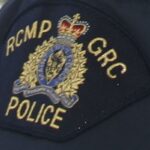
“Trail RCMP and BC Highway Patrol will be in school zones all school year enforcing the speed limits to help make our roads safer for our kids,
said Sergeant Mike Wicentowich.
This post was syndicated from https://rosslandtelegraph.com










Comments