

Local students bring on the winter fun with Wildsight program

By Wildsight
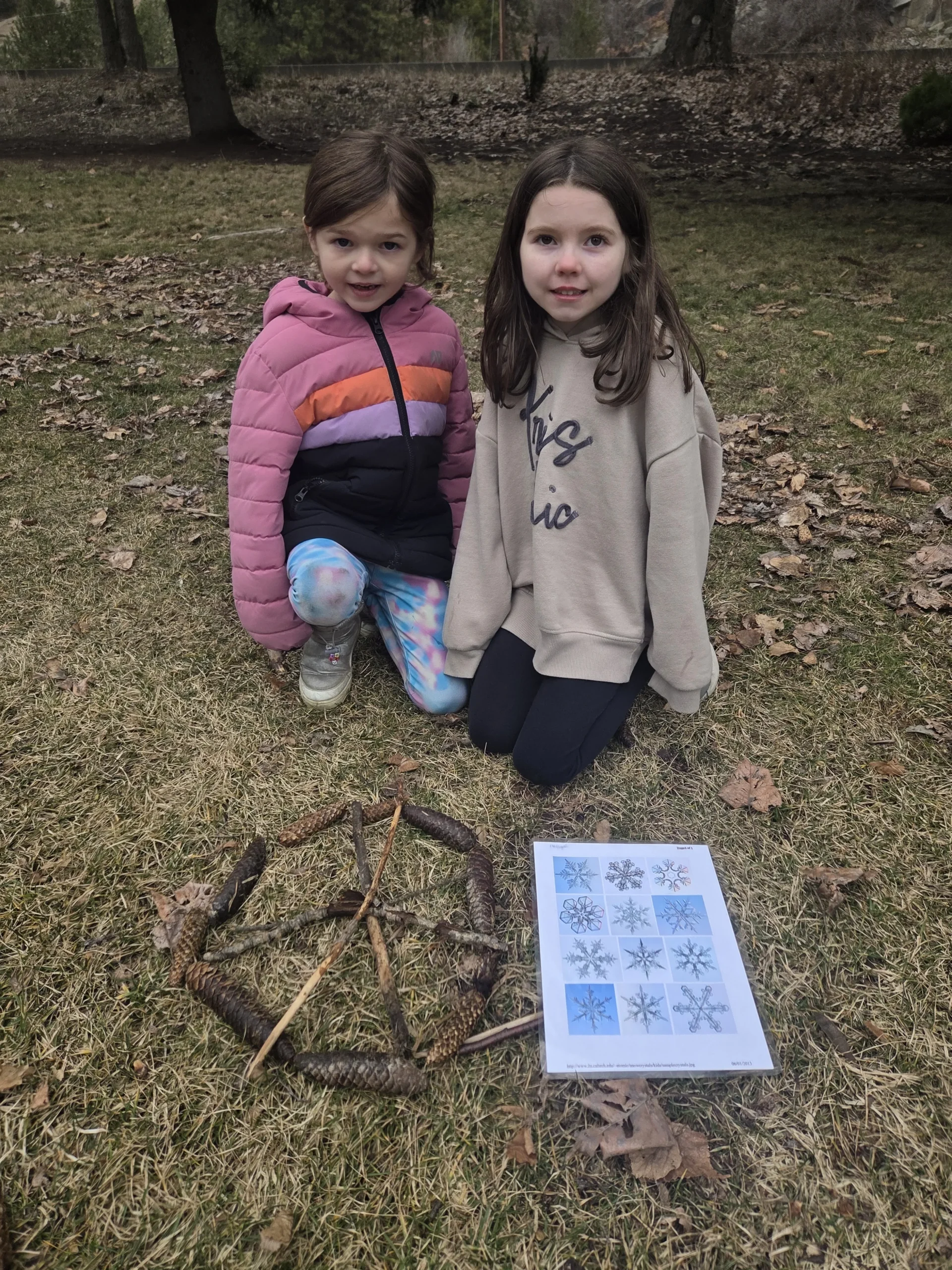
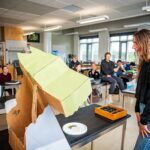
Magnifying glasses clutched in mittened hands, Grade 1 students from Rossland Summit School scoop up handfuls of snow in their search for snowflakes. They run to their teacher Ms. Anhel, or to Wildsight Educator Jess Williams, to compare their snowflake shapes to a laminated snow crystal chart, finding stellar dendrites or columns, plate shapes: an entire micro-world of art comprised of frozen water molecules beneath their fingertips.
These students and more than 200 others in Trail and surrounding communities investigated the wonder and magic of winter thanks to Wildsight’s Winter Wonder program this school year.
These half-day field trips to nearby nature allow students from Kindergarten to Grade 3 to see the science of snowflakes, traverse the landscape like a cold-loving animal or find joy in winter-based creative play.
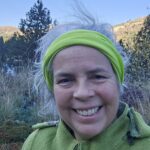
Wildsight Educator Jess Williams says programs like this invite students to learn about the world around them in age-appropriate and meaningful ways, and to learn about themselves.
“For little kiddos, it’s really important to show them that as long as they’re prepared in terms of being dressed and ready to go outside, winter can be just as much fun as summertime,” says Jess. “A lot of kids have less and less outdoor time in their lives. Integrating outdoor play year-round is more important than ever.”
Jess, who has been teaching Wildsight Education programs for 15 years, says students are always really interested to learn what animals do in winter, and can relate to these animals more after learning how they adapt and survive seasonal changes.
“They’re always kind of shocked to learn about the magical features these animals have that allow them to survive the winter,” says Jess.
Aside from studying snowflake crystals, students in Rossland Summit also picked up a new term for their growing vocabulary: the subnivean zone . This space between snow and earth provides insulation and predator protection for many animals in winter. The kids made their very own mouse burrows in the subnivean zone, adding a little rock ‘mouse’ to their house as a final touch. Jess says teachers often bring their classes back to these nearby nature spots so students can see how their mouse burrow fares over time.
At Trail’s Glenmerry Elementary School, Grade 1/2 students learned about snowflakes before becoming snow crystal artists, transforming natural objects into classic crystal shapes (since winter itself chose to not make an appearance for this particular program). They also got to check out a real wolf pelt and hear how animals adapt and thrive through the winter.
Across the Columbia Basin, more than 1,700 students took part in a Winter Wonder program this year. As winter turns to spring, Wildsight is truly grateful for the support of our generous funders that make this program possible, including Teck Trail, Columbia Basin Trust REDi grants, Copernicus Education Products, the Province of British Columbia, TD Friends of the Environment, and all of our individual donors.












Comments